
There are numerous places around the world that remain off-limits to the public due to a variety of reasons. From government restrictions to safety concerns, these locations are inaccessible for tourists. In this article, we explore 15 places you are not allowed to visit, shedding light on why they are kept off-limits. Clarity Crystal Media also delves into the fascinating aspects of restricted areas, including why some of these places are shrouded in mystery.
These restricted locations are often surrounded by stories and intrigue. Some are isolated for their historical or political significance, while others are forbidden due to safety and conservation concerns. While these places may be difficult to access, they capture the imagination of many who dream of experiencing them firsthand. In the following sections, we explore different regions and their restricted areas, explaining the reasons for the restrictions.
1. Area 51, United States
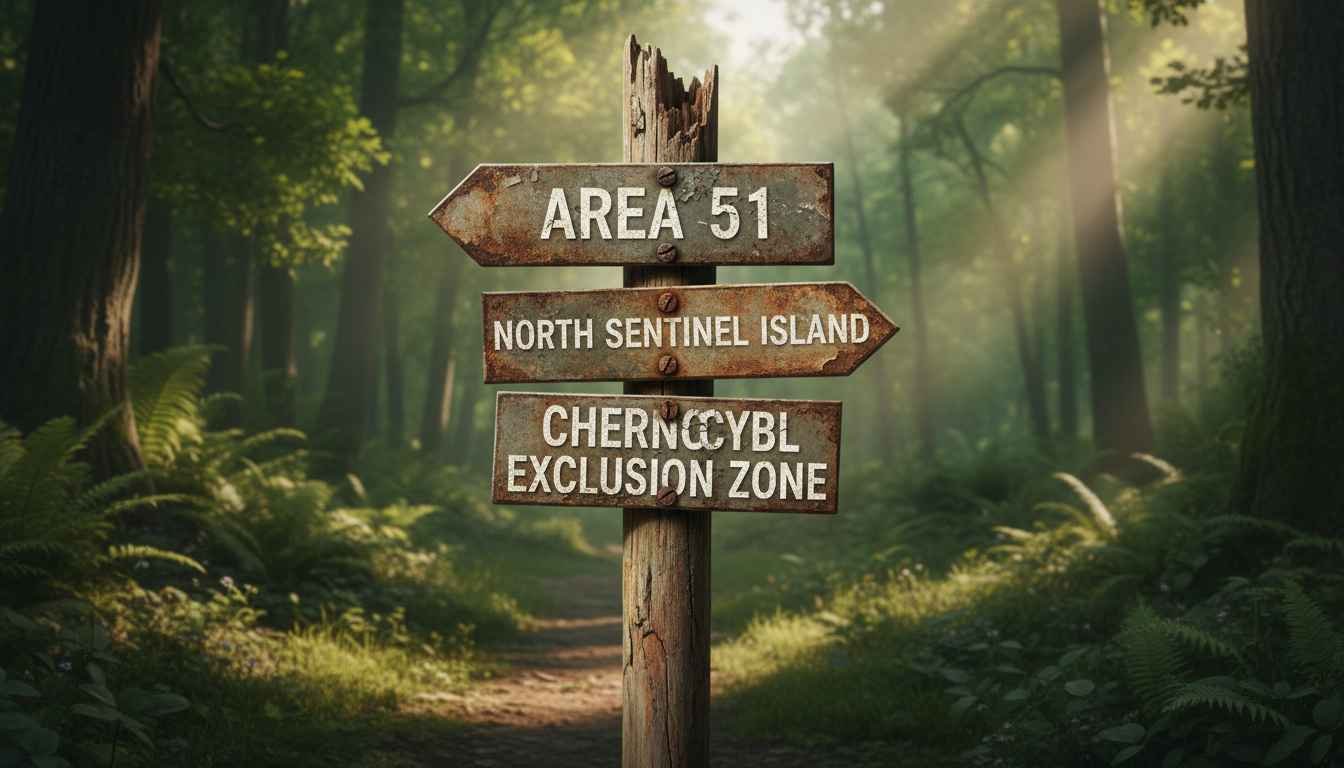
One of the most famous secret locations in the world, Area 51 is a U.S. Air Force base in Nevada. Its secrecy has fueled countless conspiracy theories, particularly regarding extraterrestrial life and unidentified flying objects (UFOs). The government does not disclose any information about activities at this base, and access is strictly prohibited. The surrounding desert is patrolled, and entering the area without authorization can lead to arrest.
2. Surtsey Island, Iceland
Surtsey Island is one of the youngest islands in the world, formed by a volcanic eruption in 1963. Due to its fragile ecosystem, it is a restricted area, and only a small number of scientists are allowed to visit. The island is a living laboratory for studying ecological succession and volcanic activity, and it remains off-limits to the public in order to preserve its unique environment.
3. North Sentinel Island, India
North Sentinel Island is home to the indigenous Sentinelese people, who have had little to no contact with the outside world. The Indian government has declared the island a protected area, prohibiting visits in order to protect both the Sentinelese and visitors. Attempts to make contact with the tribe have often resulted in violent resistance, further solidifying the island’s isolation.
4. Chernobyl Exclusion Zone, Ukraine
The Chernobyl Exclusion Zone is a 30-kilometer radius around the site of the 1986 nuclear disaster. While some parts of the zone are open to visitors with special permits, many areas remain off-limits due to high levels of radiation. This hauntingly abandoned region serves as a grim reminder of the catastrophic accident and its lasting effects on the environment.
FAQ
- What are the main attractions in 15 places you are not allowed to visit?
Many of these places offer unique natural, historical, and scientific attractions, though they are inaccessible to the public due to safety, security, or ecological reasons.
- Why are these places off-limits to the public?
These locations are restricted for various reasons, including national security, safety, environmental protection, and preservation of indigenous cultures.
- Can I visit restricted places with special permission?
In some cases, such as the Chernobyl Exclusion Zone, visitors may obtain special permits for guided tours, but most of these areas remain inaccessible to the general public.
5. The Vatican Secret Archives, Vatican City
The Vatican Secret Archives are a vast collection of historical documents, many of which are highly sensitive or private. Although scholars can apply for access, the general public is not permitted entry. These archives contain important records dating back centuries, including papal correspondence and historical manuscripts that offer insight into the Catholic Church’s history.
6. Snake Island, Brazil
Snake Island, or Ilha da Queimada Grande, is located off the coast of Brazil. It is home to a large population of highly venomous golden lancehead vipers, making it dangerous for anyone to visit. The Brazilian government has banned all travel to the island to protect both humans and the species, and only a few scientists are granted access for research purposes.
There are countless other locations around the world that remain off-limits, each with their own unique history and reasons for being restricted. Whether for safety, security, or conservation, these areas are kept away from the public eye to preserve their integrity. These restrictions spark curiosity, but also highlight the importance of protecting vulnerable environments and cultures.
While you may not be able to visit these places, the fascination they generate continues to inspire stories, documentaries, and research. In many cases, these locations symbolize the intersection of human curiosity and the need to safeguard our planet’s most precious resources.