
You step out of a Tokyo station and the city hits you all at once: neon signs, a train gliding past overhead, and, just one street away, a quiet shrine with incense drifting through the air. Japan is full of these contrasts — ancient and futuristic, crowded and calm — and that is exactly what makes planning a first trip both exciting and overwhelming.
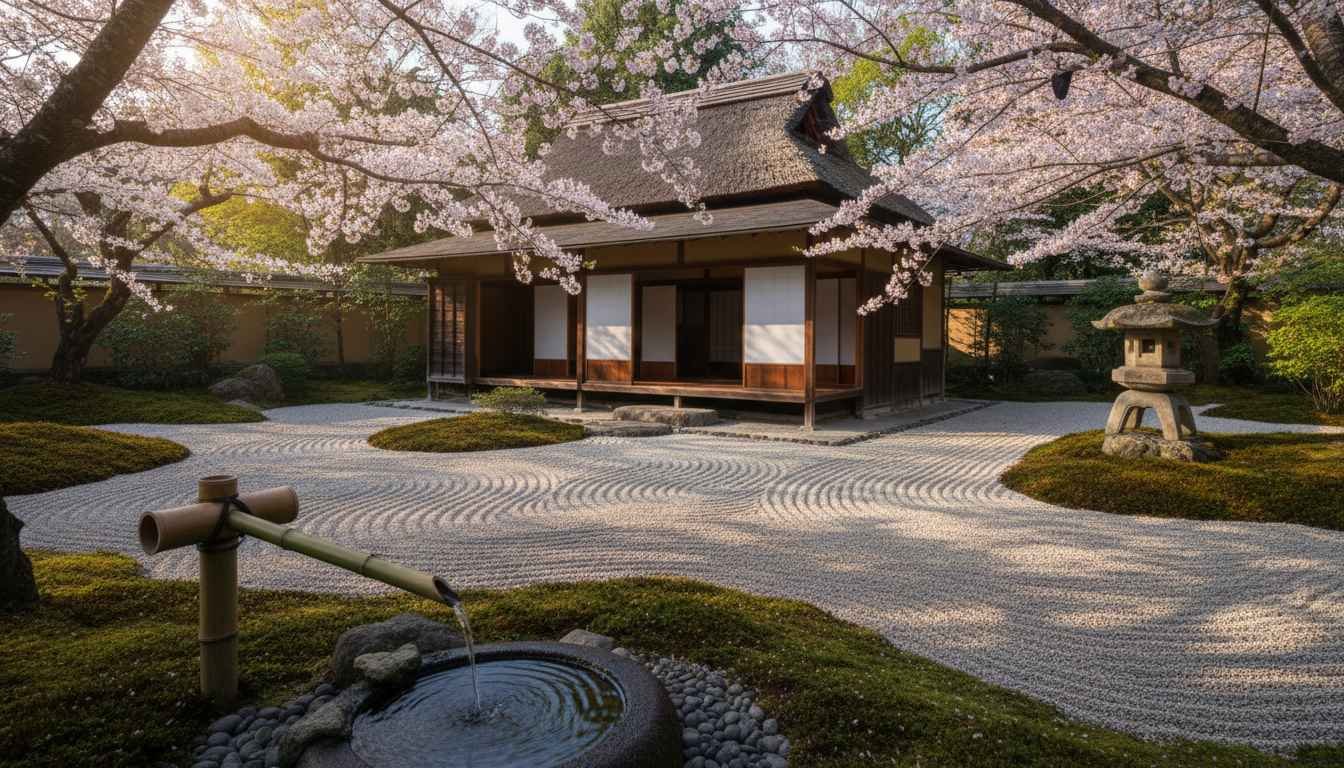
If you are asking what places should I visit in Japan, start with a simple route: Tokyo for modern Japan, Kyoto for traditional Japan, and Hokkaido for nature — with a few smaller gems if time allows. This guide covers what each place actually offers, so you can build a trip around your interests rather than a checklist.
Exploring Tokyo: A Blend of Tradition and Modernity
Tokyo rewards curiosity. In Asakusa, the Senso-ji Temple and its busy Nakamise shopping street show you old Tokyo, while Shibuya and Shinjuku show you the modern city at full speed — neon, department stores, and some of the busiest pedestrian crossings in the world. The Tokyo Skytree offers sweeping views over the whole metropolis on a clear day.
Balance the big sights with quieter corners: a neighbourhood stroll in Yanaka, an evening in a small izakaya, or a morning in a local park. Tokyo is enormous, so group your sightseeing by area rather than criss-crossing the city — you will see more and tire less.
Kyoto: The Heart of Traditional Japan
Kyoto is where Japan’s history feels closest. The Fushimi Inari Shrine, with its thousands of vermilion torii gates winding up the hillside, is unforgettable — go early to enjoy it without crowds. Kinkaku-ji, the Golden Pavilion, reflects beautifully over its pond, and the Arashiyama Bamboo Grove is best visited at dawn, before tour groups arrive.
Beyond the headline sights, Kyoto’s charm is in its details: tea houses, machiya townhouses, temple gardens, and seasonal food. Stay at least two nights if you can. Kyoto deserves slow mornings, not a rushed day trip from Tokyo.
Hokkaido: Natural Beauty and Outdoor Adventures
Japan’s northern island is a different world. In winter, resorts such as Niseko draw skiers from around the globe. In the warmer months, flower fields, national parks, and lakes such as Lake Shikotsu offer hiking, cycling, and hot springs at Noboribetsu.
Hokkaido suits travellers who want space and nature after the intensity of Tokyo and Kyoto. Distances are long, so plan your transport in advance and allow full days for travel between sights.
Worth Adding If You Have Time
Okinawa, far to the south, offers a tropical escape with its own distinct Ryukyu culture, beaches, and the historic Shurijo Castle. Kanazawa is famous for its preserved Edo-period districts and excellent gardens, while the mountain village of Takayama charms visitors with traditional wooden houses and morning markets. None of these are essential on a first trip — but any of them can become the part you remember most.
Practical Tips for First-Time Visitors
Trains are the easiest way to travel between cities. If you plan several long-distance journeys, compare the cost of a rail pass against individual tickets before you buy — a pass only saves money if your itinerary is train-heavy. In cities, a rechargeable travel card makes buses and subways simple.
A few habits will make your trip smoother: keep your voice down on trains, remove your shoes where you are asked to, and carry cash for small restaurants and rural areas, even though cards are widely accepted in cities. Eating out is part of the pleasure — try a different kind of meal each day, from a department-store food hall to a tiny counter restaurant, and do not be shy about pointing at a menu or a plastic food display. If you have dietary requirements, a short written note in Japanese explaining them will help staff help you. Before you leave, read how to avoid tourist scams in a new city — Japan is generally very safe, but the same awareness helps anywhere you travel. And for packing, see how to pack a carry-on for a week-long trip, which is ideal for a trip built around train travel and small hotel rooms.
FAQ
How long should a first trip to Japan last?
Seven to ten days is a good starting point: a few days in Tokyo, two or three in Kyoto, and a day or two elsewhere. With two weeks, you can add Hokkaido or Okinawa without rushing.
When is the best time to visit Japan?
Spring, for cherry blossom season, and autumn, for colourful leaves and comfortable weather, are the most popular times — and the most crowded. Summer is hot and humid; winter is cold but quieter, and excellent for skiing in Hokkaido.
Will the language barrier be a problem?
In major cities, station signs and menus often include English, and translation apps handle the rest. Learning a few polite phrases — hello, thank you, excuse me — goes a long way and is always appreciated.
Is Japan expensive to visit?
It depends on your choices. Accommodation and transport are the biggest costs, but convenience-store meals, set lunches, and free sights such as temples, parks, and viewpoints keep daily spending manageable.
Final Thoughts
Japan does not need to be seen all at once. Pick Tokyo, Kyoto, and one more region that excites you, travel slowly between them, and leave gaps in your days for the discoveries you cannot plan — a backstreet ramen shop, a garden in the rain, a view from a train window. Those unplanned moments are usually the ones you bring home.