
Picture this: your toddler takes their first confident steps across the kitchen floor, and every step answers back with a cheerful squeak. For many families, that sound is the soundtrack of early walking — equal parts delightful, surprising, and, after the fiftieth squeak before breakfast, a little testing. Squeaky shoes for kids are designed to turn those first steps into a game, and when you choose the right pair, they can be a genuinely useful part of your child’s early walking journey.
What Are Squeaky Shoes for Kids?
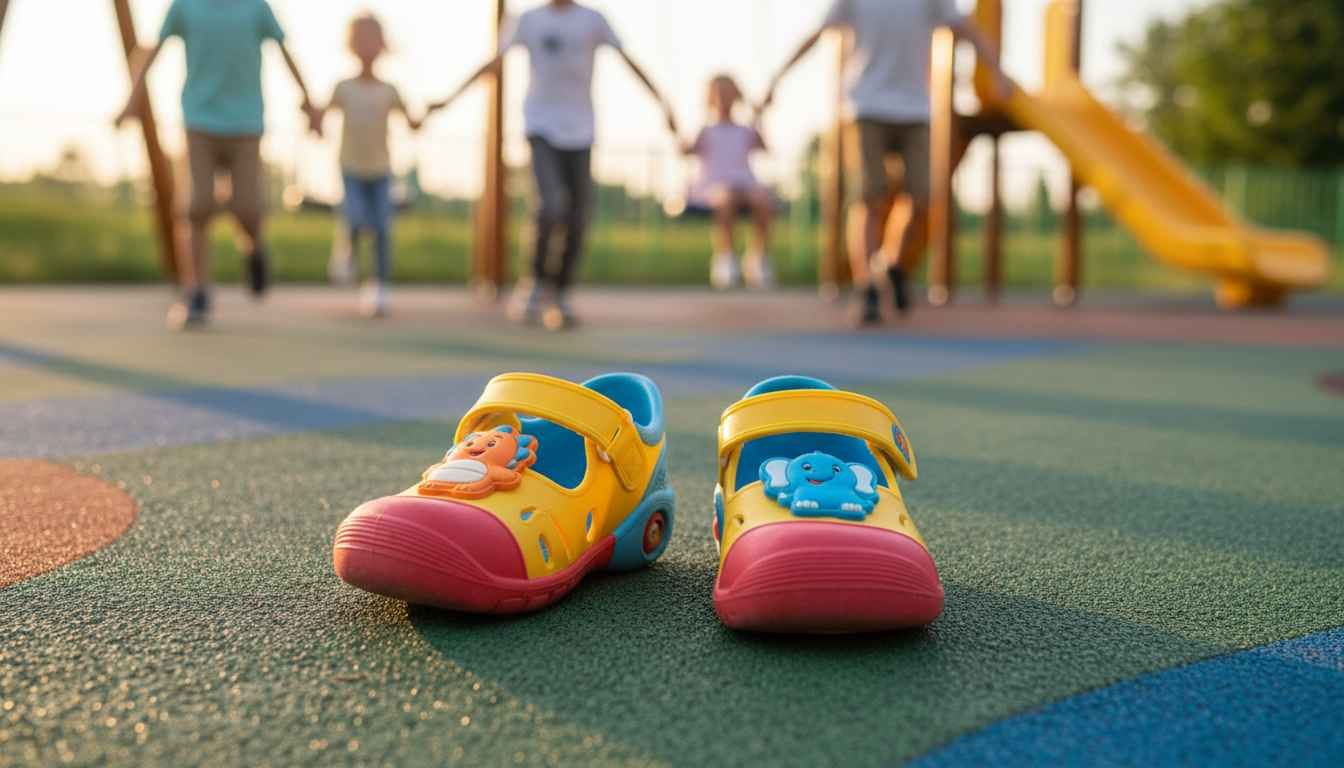
Squeaky shoes are soft-soled toddler shoes with a small squeaker built into the heel or sole. Each step compresses the squeaker and releases a high-pitched sound, giving your child instant feedback about their movement. Most pairs are made for new walkers — typically children aged around one to three — with flexible soles that bend easily and closures simple enough for quick changes.
The idea is simple: the sound rewards movement. A child who hears a squeak with every step has one more reason to keep walking, exploring, and practising balance. That feedback loop is what separates squeaky shoes from ordinary toddler shoes, and it is why they remain popular long after the novelty of the first pair wears off.
Why Children Love the Squeak
For a toddler, walking is still a new skill, and every step takes concentration. The squeak turns practice into play. Children often experiment with the sound — walking slowly for a single squeak, then running for a rapid chorus — and that experimentation builds body awareness: they learn how hard to press, how to shift their weight, and how to stop without toppling over.
There is a developmental angle too. The CDC’s child development resources note that active play supports motor development in young children, and squeaky shoes encourage exactly that kind of active, self-directed play. Used as part of a day full of movement — walking, climbing, dancing, and outdoor play — they are one more tool for building coordination, not a substitute for it. You can read more in the CDC’s child development guidance.
Squeaky shoes also have a social side. In a playgroup or preschool hallway, the sound draws smiles and attention, and children often copy each other’s squeaking walks. That shared silliness is an easy, low-pressure way for shy toddlers to join in with other children.
How to Choose the Right Pair
Not all squeaky shoes are equal, and the cheapest pair is rarely the best value. Start with fit: there should be roughly a thumb’s width between your child’s longest toe and the end of the shoe, and the shoe should stay on without squeezing the ankle. Toddlers grow fast, so check the fit every few weeks rather than assuming last month’s size still works.
Look for a flexible, non-slip sole. Stiff soles fight against a new walker’s natural foot movement, while a grippy sole helps on smooth floors. A soft upper — canvas, soft leather, or breathable fabric — keeps little feet comfortable, and a simple hook-and-loop or elastic closure means you can get shoes on and off without a wrestling match.
Consider the squeaker itself. Some shoes let you remove or mute the squeaker, which is worth its weight in gold for car journeys, appointments, and quiet mornings. If the squeaker is fixed, listen to its volume in the shop: a gentle squeak is charming, while a piercing one will wear thin fast.
Finally, check that the shoes are easy to clean. Toddlers walk through puddles, sandpits, and spilled snacks, so machine-washable or wipe-clean materials will save you repeated hand-scrubbing sessions.
When to Leave the Squeakers at Home
Squeaky shoes are not right for every occasion. In libraries, places of worship, medical waiting rooms, and shared apartment hallways, the sound can disturb others — and for children who are sensitive to noise, the constant squeaking can feel overwhelming rather than fun. If your child covers their ears, becomes upset, or avoids walking in the shoes, take the hint: try a quieter pair or save the squeakers for outdoor play.
The same applies on long journeys. A squeaker that delights for ten minutes can become hard to bear on a two-hour trip, so pack a quiet backup pair for the car or the plane.
Squeaky Shoes on Family Days Out
On a family trip, squeaky shoes can keep a toddler entertained on walks that would otherwise drag. If you are planning a first family holiday, this guide to the best places to visit in Spain for first-timers with family is a useful starting point for choosing toddler-friendly stops — and a pair of squeakers in the suitcase will make those strolls more fun for everyone.
Caring for Squeaky Shoes
Keep the shoes in good shape by checking the squeaker regularly: grit or moisture can muffle it, and a damaged squeaker can become a choking hazard if it works loose. Follow the maker’s washing instructions, air-dry rather than tumble-drying, and retire the pair when the sole wears smooth or your child’s toes reach the end. Most toddlers outgrow a pair in a few months, which is normal — and a good reason not to overspend on a single pair.
FAQs About Squeaky Shoes for Kids
What age are squeaky shoes for?
They are designed mainly for new walkers, roughly aged one to three. Once a child walks confidently, the squeak becomes a fun extra rather than a learning aid, and many children simply move on to ordinary shoes.
Can the squeaker be removed?
It depends on the brand. Some shoes have a removable squeaker or a mute option; others have it sealed into the sole. Check before you buy if you want the choice.
Are squeaky shoes safe for learning walkers?
A well-fitting pair with a flexible, non-slip sole is fine for most toddlers. The key is fit and flexibility — avoid stiff, heavy shoes — and always check that no small parts can come loose.
Final Thoughts
Squeaky shoes for kids are not magic, and they will not teach your child to walk on their own. What they do is make those wobbly first steps more fun, more rewarding, and more memorable — for your child and for you. Choose a pair that fits well, bends easily, and sounds pleasant rather than piercing, keep a quiet pair for calm moments, and enjoy the soundtrack while it lasts. The squeaks fade as your child grows, but the memories of those tiny, noisy first steps tend to stick around.